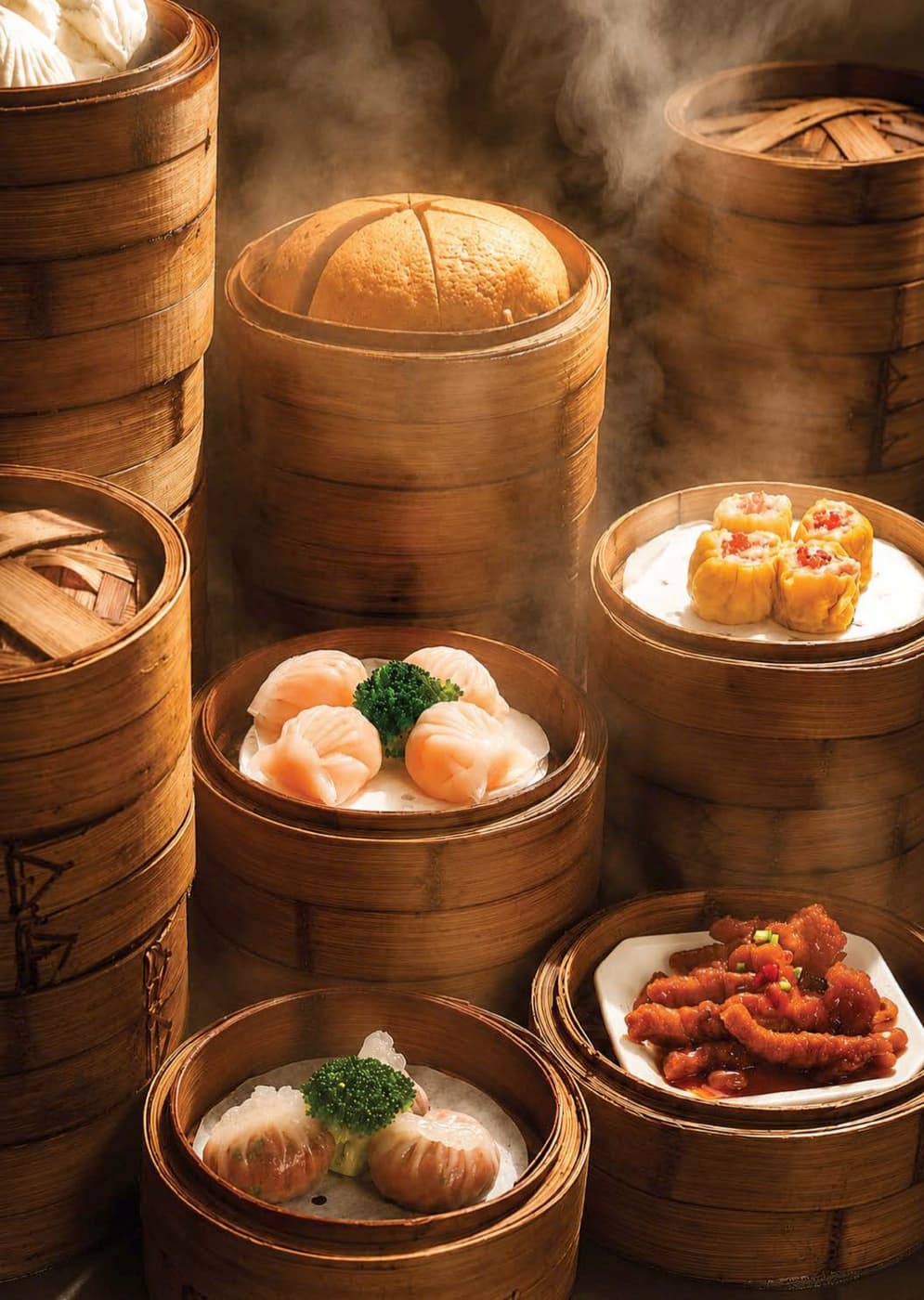
More than a thousand years ago, along the trade routes of southern China, roadside teahouses served a few small dishes alongside a pot of hot tea. Merchants and travellers stopped, ate lightly, and carried on.
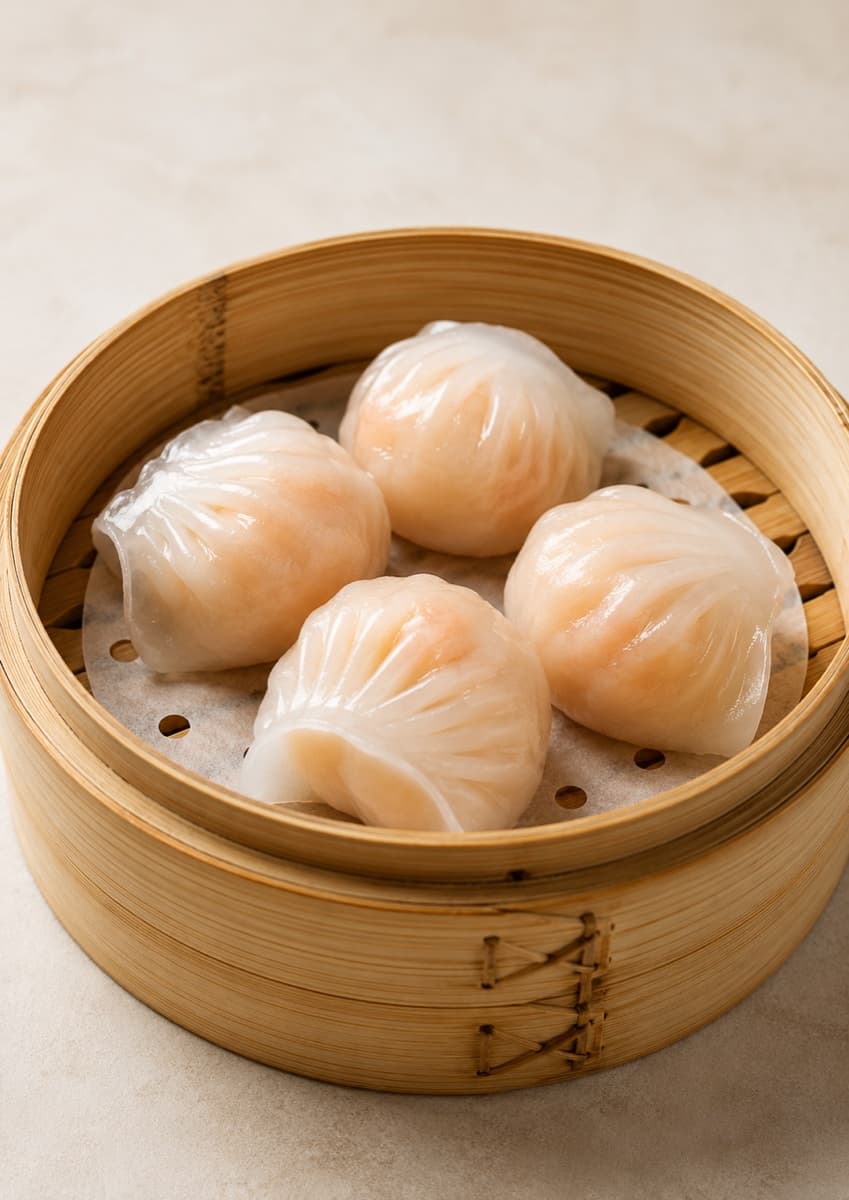
Over time each region added its own fillings, its own way of folding an edge, its own dipping sauce. A traveller's snack slowly became the Cantonese habit of yum cha, where a meal is measured not in courses but in the hours spent at the table.
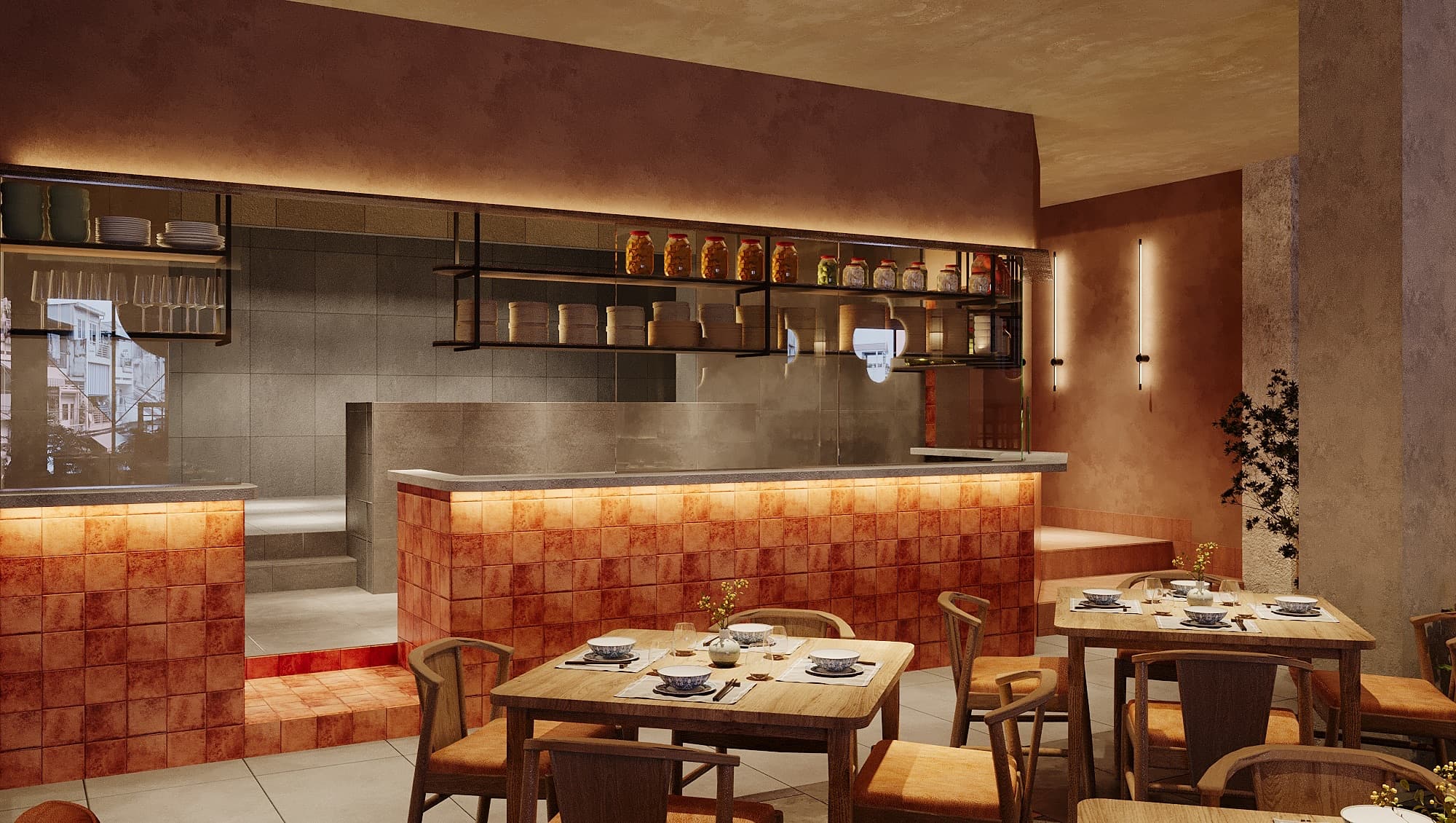
DIMSUM 101 follows that method: wrappers rolled by hand, fillings mixed the same day, everything steamed in small batches at the open counter in the middle of the room.
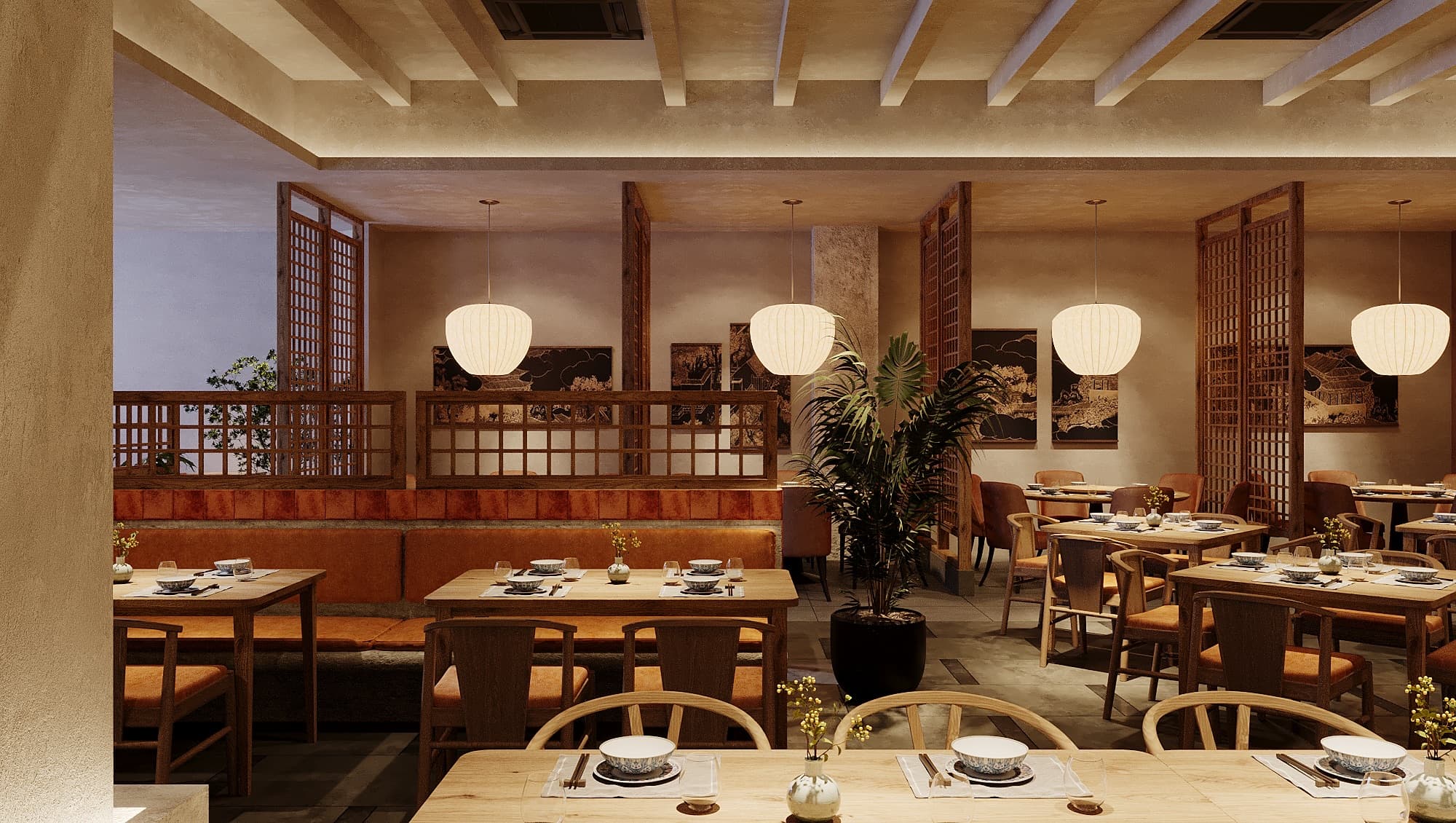
What we hope to keep is the unhurried way of eating that yum cha was built around, in a room in the middle of Saigon.